Happy Butterfly: A Playful Slab Serif Font for Creative Projects and Workflows
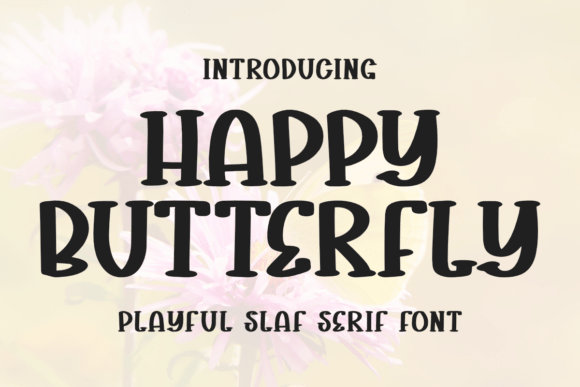
Typography plays a crucial role in design, communication, and branding. Choosing the right font can elevate your project from ordinary to extraordinary. Happy Butterfly is a fun and playful slab serif font that brings a touch of whimsy and warmth to any creative endeavor. Whether you're designing greeting cards, crafting planner templates, or creating custom stickers for Cricut and sublimation projects, Happy Butterfly fits seamlessly into your workflow with its friendly aesthetic and practical versatility.
Understanding the Role of Happy Butterfly in Design
Slab serif fonts are known for their bold, structured look, but Happy Butterfly adds an extra layer of charm by incorporating soft curves and rounded edges. This makes it ideal for designs that require both visual appeal and readability. The font’s cheerful style aligns well with personal branding, children's crafts, stationery, and lifestyle content — all areas where personality and clarity are equally important.
Font choice often determines how your message is perceived. Happy Butterfly helps convey a sense of joy and approachability, making it especially useful for educators, bloggers, small business owners, and hobbyists who want to create engaging and inviting materials. Its unique character set supports a wide range of use cases, including decorative elements, headings, and even body text when used appropriately.
Before the Project: Planning and Conceptualization
Incorporate Happy Butterfly early in your planning stages to define the tone of your project. For example, if you’re designing a product line for kids or a themed planner for self-care, using this font during brainstorming sessions can help you visualize the final output more effectively. It also serves as a reference point when choosing complementary colors, graphics, and layout styles.
- Define brand voice: Use Happy Butterfly to explore how a joyful and playful tone might translate into your designs.
- Sketch mockups: Add sample text using the font to initial drafts or mood boards to see how it integrates visually.
- Set expectations: Share font samples with collaborators or clients to align on the intended aesthetic before production begins.
During the Project: Execution and Customization
Once your plan is in place, Happy Butterfly becomes a powerful tool in the execution phase. Its clean structure and rounded serifs make it easy to work with across various platforms and tools. Here’s how it can be integrated into different workflows:
- Cricut Designs: Use Happy Butterfly for cut files like name tags, banners, or labels. Pair it with floral or nature-themed clipart for cohesive visuals.
- Sublimation Projects: The font works well on mugs, tumblers, and apparel. Ensure proper spacing and sizing for optimal print results.
- KDP (Kindle Direct Publishing): Apply it to book covers, chapter titles, or promotional graphics for a distinctive yet professional appearance.
- Sticker Creations: Ideal for vinyl stickers, digital downloads, or printable versions. The font’s legibility at smaller sizes ensures your message stays clear.
- Greeting Cards and Stationery: Add hand-written-style sentiments or bold headings with Happy Butterfly for a personal touch.
When working digitally, ensure that the font is properly embedded or converted to outlines if sharing files with others. This maintains consistency across devices and prevents formatting issues.
After the Project: Final Touches and Long-Term Use
Post-production is where attention to detail matters most. Happy Butterfly can enhance the finishing touches of your project by adding subtle visual interest or bold emphasis where needed. If you're publishing digital assets online or through marketplaces like Etsy or Creative Market, consider using the font in thumbnails or preview images to attract attention.
For long-term use, keep a library of font pairings and color schemes that work well with Happy Butterfly. This streamlines future projects and keeps your brand identity consistent. You can also repurpose designs that include the font into social media posts, email newsletters, or blog headers to maintain a unified look across platforms.
How Happy Butterfly Complements Other Tools and Resources
Happy Butterfly doesn’t just stand alone — it blends beautifully with other design elements. Here’s how it interacts with common tools and methods used by creators:
- Adobe Suite: Perfect for Adobe Illustrator, Photoshop, and InDesign. Use it in combination with vector illustrations or photo overlays for dynamic compositions.
- Cricut Design Space: Easily import the font and use it with shapes, text effects, or layered designs. Make sure to license it for commercial use if selling finished products.
- Canva and Figma: Great for quick layouts or collaborative projects. Its compatibility with web-based tools allows for fast prototyping and edits.
- DIY Crafting Kits: Include Happy Butterfly in downloadable templates or tutorials to guide users in replicating your designs.
- Marketing Materials: Combine it with minimalist layouts and muted palettes to balance playfulness with professionalism in brochures, flyers, or packaging.
Practical Tips for Integrating Happy Butterfly into Your Workflow
Here are some actionable tips to help you get the most out of Happy Butterfly:
- Test Different Sizes: Try the font at various scales to see how it performs. While it looks great in large headings, test smaller sizes for body text or captions.
- Pair Thoughtfully: Match Happy Butterfly with sans-serif or script fonts for contrast. For instance, pairing it with a modern sans-serif like Montserrat can balance the playful with the clean.
- Use Color Strategically: The font shines in pastel shades or vibrant hues depending on your project. Avoid overly dark or busy backgrounds that may reduce legibility.
- Organize Font Usage: Keep track of where and how you use the font. A simple spreadsheet or note-taking app can help maintain consistency across multiple projects.
- Consider Licensing: If you're using Happy Butterfly for commercial purposes, confirm that the font license permits such use. Always follow the guidelines provided by the font creator.
One key observation is that while the font is versatile, it should be used with intention. Overuse can dilute its impact, so save it for focal points or high-impact design elements.
Workflow Examples Where Happy Butterfly Excels
Let’s look at a few real-world examples of how Happy Butterfly can fit into your daily creative process:
Example 1: Planner Design for Productivity Minded Users
If you're a productivity blogger or planner designer, use Happy Butterfly for weekly goals, motivational quotes, or section headers. Its friendly style encourages engagement without overwhelming the user with too much visual noise. Combine it with calming colors and minimal icons to create a balanced and appealing layout.
Example 2: Greeting Card Creation for Small Businesses
Small business owners often need to produce custom greeting cards for events, holidays, or customer appreciation. Happy Butterfly can be used to write heartfelt messages or to highlight key phrases. When paired with watercolor brushes or floral patterns, it enhances the overall aesthetic and conveys sincerity.
Example 3: Sticker Templates for DIY Enthusiasts
For those who love making stickers, Happy Butterfly offers a perfect blend of fun and functionality. Create templates for birthdays, weddings, or baby showers with the font, ensuring each design feels unique yet cohesive. Organize these templates into categories for easy access and reuse.
Factors to Consider for Optimal Results
While Happy Butterfly is a flexible font, certain factors influence its effectiveness in your workflow:
- Preparation: Always back up your font files and store them in a clearly labeled folder. This avoids confusion when working on multiple projects simultaneously.
- Compatibility: Confirm that the font works across your preferred software and platforms. Some older applications may not support newer font formats.
- Usability: Use it where it enhances readability and purpose. Avoid using it in situations where clarity takes precedence over creativity.
- Organization: Group related designs and text elements together to streamline editing and revisions. This is especially helpful when working with layered files in Adobe apps.
- Efficiency: Leverage preset text layers or saved styles to speed up repetitive tasks like batch card creation or sticker printing.
- Consistency: Apply the same styling (colors, weights, spacing) throughout your project to maintain a polished and professional feel.
- Quality Control: Always proofread text using the font to catch typos or alignment issues. Print a test piece if possible to evaluate how it looks in physical form.
- Long-Term Use: Think about how the font will age within your brand or portfolio. Will it still feel relevant in a year? Its timeless charm suggests it will remain adaptable across trends.
Why Choose Happy Butterfly for Your Next Project
There are countless fonts available, but Happy Butterfly stands out due to its balance of style and substance. It’s not just about aesthetics — it’s about how the font functions within your broader creative process. Whether you're an entrepreneur looking to launch a new product line or a hobbyist exploring personal crafts, this font can become a staple in your toolkit.
Its broad appeal means it can be used across demographics, from children’s toys to wellness products. The font’s slab serif base gives it a grounded feel, while the rounded details add a sense of ease and friendliness. This duality makes it suitable for both casual and semi-professional settings, offering flexibility without compromising quality.
Moreover, Happy Butterfly is a time-saver. Once you’ve tested it and found the right combinations, it becomes a reliable part of your design routine. You won’t have to second-guess whether a font will work — you’ll know it does.
Conclusion
In the world of design, typography is often overlooked but always impactful. Happy Butterfly is more than just a font — it’s a strategic choice that supports creativity, efficiency, and brand cohesion. By understanding how and when to use it, you can enhance your workflow and deliver better outcomes in less time.
As you move forward with your next project, remember that the best tools are those that adapt to your needs. Happy Butterfly is one such tool — easy to implement, highly customizable, and perfectly suited for a variety of creative applications. Let it bring a little joy and a lot of function to your work.