Funny Cat: A Playful Slab Serif Font for Creative and Romantic Projects
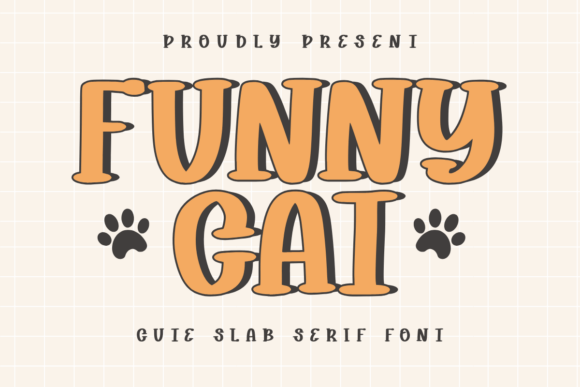
Choosing the right font can make all the difference in your design work, whether you're crafting a wedding invitation, branding a new business, or creating social media graphics. Funny Cat is a charming slab serif font that blends a clean structure with a whimsical hand-drawn feel. Its smooth curves and approachable aesthetic give it a unique balance of modernity and warmth, making it an excellent choice for designers who want to infuse personality into their projects without sacrificing professionalism.
Understanding Funny Cat's Style and Purpose
Funny Cat is not just another typeface—it’s a versatile tool for creative expression. The slab serif style gives it a grounded and elegant appearance, while the subtle irregularities in its strokes mimic a human touch, adding a layer of authenticity and charm. This combination makes it especially suitable for romantic and love-inspired designs, such as wedding invitations, anniversary cards, or heartfelt branding materials. At the same time, its clean and legible form ensures it remains functional across a range of digital and print applications.
Slab serif fonts are known for their boldness and clarity, often used in headlines and logos. However, Funny Cat distinguishes itself by introducing a playful yet sophisticated tone. It works well in both large display sizes and smaller body text when needed, which is rare for a font with such character. This flexibility allows it to fit naturally into various stages of a project—from initial brainstorming to final execution.
Integrating Funny Cat into Your Design Workflow
Before diving into a project, take a moment to consider how typography will influence the overall message and mood. Funny Cat is ideal for projects where a personal, warm, and slightly artistic vibe is desired. If your work involves storytelling, emotional appeal, or any kind of branding that benefits from a softer edge, this font should be on your radar.
Pre-Project Planning: During the conceptual phase, decide if Funny Cat aligns with your brand identity or project theme. For example, if you’re designing a boutique wedding website, using Funny Cat in key elements like headings or call-to-action buttons can set a romantic and inviting tone. Consider pairing it with sans-serif fonts for contrast in subheadings or body text to maintain readability and visual hierarchy.
During Execution: When working in design software such as Adobe Photoshop, Illustrator, or InDesign, import Funny Cat early to test how it complements other design elements. You might find that it pairs beautifully with watercolor backgrounds, floral illustrations, or soft gradients—common choices in romantic-themed content. Because of its hand-drawn qualities, avoid overusing it in long paragraphs; instead, use it strategically for titles, captions, or accent text.
Post-Production Use: After completing a project, Funny Cat can still play a role. For instance, if you’ve launched a new product line inspired by love or creativity, you could use the font in follow-up marketing emails, thank-you notes, or customer appreciation messages. Its consistent look across platforms helps reinforce brand recognition, especially when used in conjunction with other visual assets like color schemes or imagery.
Use Cases for Funny Cat
- Wedding Invitations: The romantic and elegant nature of Funny Cat makes it perfect for handwritten-style invitations. Use it for names, dates, or location details to add a personal and stylish flair.
- Branding and Packaging: Small businesses focused on lifestyle, fashion, or artisanal products can benefit from the font’s warm and approachable look. It adds a sense of craftsmanship and charm to labels, logos, and packaging.
- Social Media Graphics: Whether you're running a campaign for a creative studio or promoting a love-themed event, Funny Cat enhances engagement by drawing attention through its unique character.
- Creative Writing and Publishing: Bloggers, poets, and writers can use it for headers or chapter titles in digital publications. It brings a gentle, inviting energy to written content, encouraging readers to linger longer.
- Event Marketing: From Valentine’s Day promotions to baby showers and romantic getaways, Funny Cat can be integrated into posters, flyers, and promotional materials to evoke emotion and interest.
How Funny Cat Works with Other Tools and Resources
To fully leverage Funny Cat, understand how it interacts with your existing tools and design processes. Most professional design software supports custom font installation, so download and install the font before starting your layout. If you're working with web-based platforms like Canva or Figma, ensure the font is uploaded correctly or available via font libraries like Google Fonts (if supported).
In digital workflows, remember to convert text layers to outlines or vector shapes before sharing files with clients or collaborators who may not have access to the font. This step preserves the visual integrity of your design and prevents unexpected substitutions. Additionally, if you're using CSS for web design, define the font family clearly and include fallback options to maintain consistency across different devices and browsers.
For print projects, verify the font is embedded in your PDF export settings. This ensures that recipients see exactly what you designed, regardless of their system. Some printers may require specific font formats, so always double-check compatibility requirements based on your printing partner’s guidelines.
Workflow Examples
- Wedding Invite Creation: Start with a blank canvas in your design tool. Choose a soft pastel background. Add the couple's names in Funny Cat at a larger size, center-aligned. Below, list the date and venue using a complementary sans-serif font. Enhance the design with floral borders or icons that echo the font's whimsical style.
- Brand Launch for a Handmade Jewelry Line: Use Funny Cat for the brand name on the logo. Apply it to product tags and packaging for a cohesive look. Pair it with minimalist photography and muted tones to highlight the font’s elegance without overwhelming the viewer.
- Instagram Post Series for a Travel Agency: Create a series of posts celebrating love and adventure. Use Funny Cat for main titles like “Romantic Getaways” or “Love on the Road.” Keep body copy in a more neutral font to maintain readability. Add subtle animations or transitions if using video content to emphasize the font’s dynamic feel.
Practical Tips for Using Funny Cat Effectively
Here are some actionable tips to help you integrate Funny Cat into your workflow efficiently:
- Test Different Weights: Explore variations of the font if available. Lighter weights may suit delicate designs, while bolder versions work better for headlines or focal points.
- Balance Contrast: Since Funny Cat has a hand-drawn quality, pair it with structured elements like geometric shapes or minimalistic layouts to keep your design from feeling too loose or unprofessional.
- Use Color Thoughtfully: The font’s whimsical feel works best with warm or soft color palettes. Avoid overly bright or garish hues unless they align with a specific theme or brand identity.
- Keep Text Short: Don’t stretch Funny Cat across lengthy paragraphs. Instead, reserve it for short phrases, taglines, or decorative accents to maintain its impact.
- Stay Consistent: Once you choose Funny Cat for a project, stick to it throughout. Too many font changes can confuse viewers and dilute your message. Maintain consistency in weight, spacing, and alignment for a polished result.
Ensuring Long-Term Usability and Quality Control
When incorporating Funny Cat into ongoing projects or brand materials, plan for long-term usability. Store the font file securely and document its usage in your style guide to ensure team members follow the same standards. Regularly review how the font appears across different mediums and resolutions—especially if it’s part of a multi-platform strategy like print, web, and mobile.
Quality control is also important. Before finalizing a design, zoom in to check for inconsistencies in stroke thickness or spacing. While the hand-drawn effect is intentional, it shouldn’t compromise legibility. Conduct user testing or peer reviews to gauge how effectively the font communicates your intended tone and message.
Consider accessibility when using Funny Cat. Ensure sufficient contrast between the font and background colors, particularly for digital content. Also, don’t rely solely on the font’s stylistic quirks to convey meaning—readers with visual impairments may struggle to interpret subtle variations in stroke or spacing.
Organizing Your Font Usage
As part of your design process, organize how you use Funny Cat within each project. Define roles clearly—such as primary title font, secondary header font, or decorative element—and communicate these decisions to stakeholders or team members. This level of planning streamlines revisions and maintains a unified visual language.
If you’re managing multiple projects simultaneously, categorize your font selections by theme or purpose. For example, create a folder labeled “Romantic & Whimsical” and place Funny Cat alongside similar fonts for easy reference. This practice saves time during the design phase and reduces decision fatigue.
Why Funny Cat Stands Out in Creative Workflows
Funny Cat isn't just aesthetically pleasing—it fits naturally into the rhythm of creative workflows. Its slab serif roots provide a foundation of reliability, while the hand-drawn characteristics allow for expressive customization. Unlike overly ornate scripts that can be hard to read or too casual for formal contexts, Funny Cat strikes a middle ground that’s both engaging and appropriate for a wide array of uses.
It also supports multilingual characters, making it adaptable for international audiences or diverse cultural events. This feature is especially valuable for designers working on global campaigns or niche markets where inclusivity matters.
Observations from Real-World Use
Many designers who have adopted Funny Cat report improved client satisfaction due to its unique yet accessible style. One graphic designer shared that using the font in a bridal shop’s rebranding led to more inquiries about personalized service, as the font evoked a sense of care and attention to detail.
Another common observation is that Funny Cat enhances the perceived value of handmade or artisanal products. By subtly suggesting a personal touch, it aligns with the ethos of small businesses and independent creators looking to stand out in crowded markets.
Final Thoughts on Workflow Integration
Fonts are more than just decoration—they shape perception, guide focus, and enhance communication. Funny Cat offers a refreshing blend of romance, playfulness, and professionalism that can elevate your creative output. Whether you're designing for a special occasion, launching a brand, or producing content for social media, this font provides a reliable and expressive option.
By integrating Funny Cat thoughtfully into your workflow, you can streamline your design process while ensuring your projects resonate emotionally with your audience. As with any tool, success comes down to knowing when and how to use it—not just having it installed. So next time you're planning a project that needs a little extra heart, let Funny Cat do the talking.